Two-day retreats make sense on paper. You're pulling people away from work, flying them somewhere, covering food and lodging for 30 or 50 or 100 people. Of course you want to keep it tight. The calendar is full. The budget has limits. Two days feels responsible.
But here's the problem. Neuroscientist David Strayer's wilderness research…

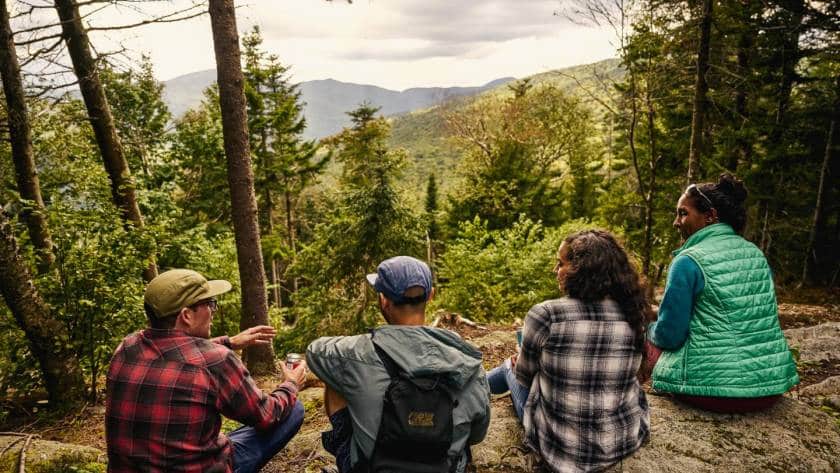
Researchers at the University of Utah and University of Kansas sent 56 people into the backcountry on wilderness backpacking trips. Before the trip, they tested their creative problem-solving ability using a standardized test psychologists have relied on for decades. On day four, they tested them again.
The improvement was 50%.
Not 5%. Not a modest…
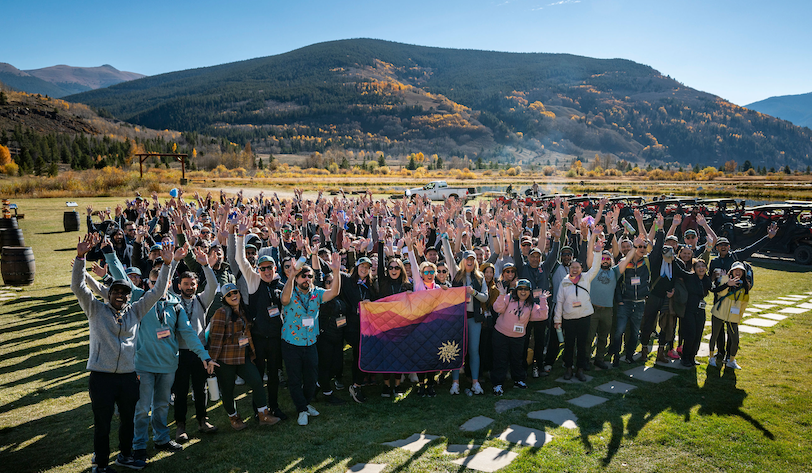
There's a moment at every Wilder retreat that nobody plans and nobody can force.
It usually involves someone with a big title looking completely lost alongside someone who's been at the company for three months. Last year it was a canoe. A VP of Engineering and a junior product manager, side by side, paddles in…
Your retreat planner puts a hike on the agenda for Tuesday afternoon. Your team laces up whatever shoes they packed, walks a groomed trail for 45 minutes, takes a group photo at the overlook, and files back into the conference room for the 3pm strategy session.
That evening, there's a sunset cocktail hour on the…
Most corporate offsites happen in a conference room that looks exactly like the one back at the office. Different city, same fluorescent lights, same rectangular table, same energy.
The agenda might be different. The catering might be slightly better. But the environment is sending your team’s brain the same signal it gets every Monday morning:…
When most people hear the word “mindfulness,” they picture quiet rooms, closed eyes, and long sessions of meditation. Dr. Ellen Langer, the Harvard psychologist often called the “mother of mindfulness,” offers a different path. Her work centers on active noticing in everyday life. You do not need a cushion, a mantra, or a timer. You…